Last Sunday in Feb 2011.
Starting Great Expectations today.
Making 2nd pot of coffee
1:12 pm
finished Tale of Two Cities
Bob made bacon and eggs.
finches eating at the bird feeder parakeet looks hungry must feed her
Want to paint or make jewelry but have so many books to readddddddd
and readddd
the quiet is so gloriously wonderful....
Monday, February 28, 2011

Sunday, February 27, 2011
A Tale of Two Cities
I finished this book and I was literally holding my breath at the end. WOW is all I can say. I cannot believe I am 56 and just read this but am glad I did. I spent hours last night looking up the french revolution and the reigh of terror.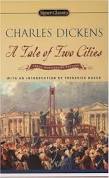


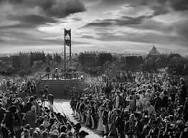

The book "A Tale of Two Cities" is a historical novel. It talks a lot about the history of The French Revolution, and
what the government was going through. Also there is a lot about the Revolution aries, and what they did to the government. This book is also an adventure book. The characters face many different adventures. It could also be classified as a mystery because there are parts in this book that are very suspenseful and sometimes it is very hard to predict what is going to happen. "A Tale of Two Cities" is not like the work that Charles Dickens normally did. There is a lot of narration, and not a lot of dialogue.

I would recommend this book because it is very historical, and I was able to learn a lot from it. There is a a lot of suspense and it is hard to tell what is going to happen next. There are many different twists and turns in this book. Also Charles Dickens is a very descriptive writer and I was able to picture every detail in my mind. If you like history than you will like Charles Dickens' A Tale of Two Cities. It was hard to put this book down and I wanted to read more, and more until I was able to find out the shocking ending
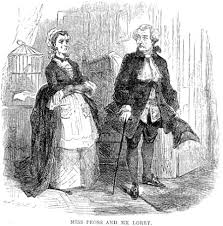
It was the best of times, it was the worst of times."(Dickens 1)The story "A Tale of Two Cities" is a story of the uprisings in France. The story begins with a man named Jerry Cruncher who is chasing a mail coach holding Jarvis Lorry. He delivers a letter to Lorry telling him that he needs to wait at Dover(the city he is traveling to) for a young woman. He meets the young woman, named Lucie Manette. She tells him that she thought her father was dead but he has been found in Paris. Lorry Brings Lucie to Paris to meet her father.


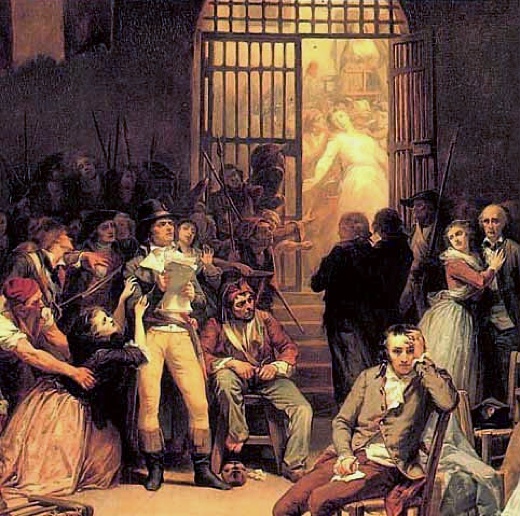
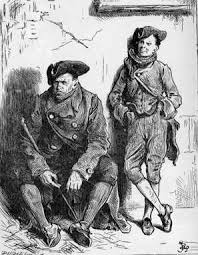
 A Tale Of Two CitiesBy:Charles DickensCharles John Huffman Dickens was born on February 7, 1812 in Portsmouth, Hampshire, England. His father was the clerk in the navy pay office, and his mother was Elizabeth nee Barrow. He had one older brother named Francis, and six younger siblings. His father, John Dickens was sent to Marshalsea prison because the house expenses were rising, and he was in debt. At age twelve Charles was sent to Warren's Shoe Blacking Factory to help support the family.He lived in a boarding house in Camden town, and was only able to visit his father on Sundays. At a very young age he was an orphan, and doing child labour. Many of his characters are based on his own experiences for example, Oliver Twist, David Copperfield, and Philip Pirrip. His father was able to send him to Wellington House Academy in London as a pupil from 1824-1827. In 1827 the Dickens were once again kicked out of their home for unpaid rent ,  and Charles was forced to leave school. He then got a job as a clerk in the law firm of Ellis and Blackmore. He learned many different styles of writing and became a court reporter. Charles spent all of his spare time reading in library's, and studying acting. In 1830 he fell in love with Maria Beadnell, and a few years later her father sent her to school in Paris. He then moved out, and lived in Furnival's Inn in Holborn. His first article was published in the Monthly Magazine, and he began reporting for many different businesses. In 1870 Charles Dickens died, and went down as one of the greatest writers of all time writing more than thirty four books, and more than twenty seven short stories. and Charles was forced to leave school. He then got a job as a clerk in the law firm of Ellis and Blackmore. He learned many different styles of writing and became a court reporter. Charles spent all of his spare time reading in library's, and studying acting. In 1830 he fell in love with Maria Beadnell, and a few years later her father sent her to school in Paris. He then moved out, and lived in Furnival's Inn in Holborn. His first article was published in the Monthly Magazine, and he began reporting for many different businesses. In 1870 Charles Dickens died, and went down as one of the greatest writers of all time writing more than thirty four books, and more than twenty seven short stories.Plot Synopsis"It was the best of times, it was the worst of times."(Dickens 1)The story "A Tale of Two Cities" is a story of the uprisings in France. The story begins with a man named Jerry Cruncher who is chasing a mail coach holding Jarvis Lorry. He delivers a letter to Lorry telling him that he needs to wait at Dover(the city he is traveling to) for a young woman. He meets the young woman, named Lucie Manette. She tells him that she thought her father was dead but he has been found in Paris. Lorry Brings Lucie to Paris to meet her father.They travel to a city near Paris called Saint Antoine. They meet the the Defarge's, the owners of a local wine shop. They are the leaders of a group called the "Jacques" who are revolutionaries. They are also housing Lucie's father because he is in such agony after his imprisonment in the Bastillefor eighteen years. He sits by himself all day, in the dark making shoes. They are finally united, but Dr. Manette ( Lucie's Father) is still distressed.In 1780 a man named Charles Darnay is on trial for treason. Two british spies are trying to frame the innocent Darnay for their own profit. A man in the court room, Sydney Carton defends Darnay and saves him from the Guillotine (the French death penalty). Charles begins to become very fond of Lucie Manette, and they start to fall in love. The French government discovers many things of Charles past, and his true identity. The best of times is now beginning to turn in to the worst times. The Defarge's lead an attack on The Bastille were Dr. Manette was held prisoner. They do this as a revolt against the French aristocracy. Monsieur Defarge then discovers a letter in Dr. Manette's jail cell that will change someone's life forever.Will Lucie and Charles ever be able to be together? Will Dr. Manette be sent back to the place that he suffered so long ago? Will France ever be able to be at peace with itself? "A Tale of Two Cities" shows the unending fight of Lucie and Charles, and the fight of every French persons quest for freedom. In the end someone will feel the sharp, smooth blade of the Guillotine." It is a far, far better thing that I do, than I have ever done. It is a far, far better rest that I go to, than I have ever known."(Dickens 348) |


A Tale Of Two CitiesBy:Charles DickensCharles John Huffman Dickens was born on February 7, 1812 in Portsmouth, Hampshire, England. His father was the clerk in the navy pay office, and his mother was Elizabeth nee Barrow. He had one older brother named Francis, and six younger siblings. His father, John Dickens was sent to Marshalsea prison because the house expenses were rising, and he was in debt. At age twelve Charles was sent to Warren's Shoe Blacking Factory to help support the family.He lived in a boarding house in Camden town, and was only able to visit his father on Sundays. At a very young age he was an orphan, and doing child labour. Many of his characters are based on his own experiences for example, Oliver Twist, David Copperfield, and Philip Pirrip. His father was able to send him to Wellington House Academy in London as a pupil from 1824-1827. In 1827 the Dickens were once again kicked out of their home for unpaid rent , and Charles was forced to leave school. He then got a job as a clerk in the law firm of Ellis and Blackmore. He learned many different styles of writing and became a court reporter. Charles spent all of his spare time reading in library's, and studying acting. In 1830 he fell in love with Maria Beadnell, and a few years later her father sent her to school in Paris. He then moved out, and lived in Furnival's Inn in Holborn. His first article was published in the Monthly Magazine, and he began reporting for many different businesses. In 1870 Charles Dickens died, and went down as one of the greatest writers of all time writing more than thirty four books, and more than twenty seven short stories.Plot Synopsis"It was the best of times, it was the worst of times."(Dickens 1)The story "A Tale of Two Cities" is a story of the uprisings in France. The story begins with a man named Jerry Cruncher who is chasing a mail coach holding Jarvis Lorry. He delivers a letter to Lorry telling him that he needs to wait at Dover(the city he is traveling to) for a young woman. He meets the young woman, named Lucie Manette. She tells him that she thought her father was dead but he has been found in Paris. Lorry Brings Lucie to Paris to meet her father.They travel to a city near Paris called Saint Antoine. They meet the the Defarge's, the owners of a local wine shop. They are the leaders of a group called the "Jacques" who are revolutionaries. They are also housing Lucie's father because he is in such agony after his imprisonment in the Bastillefor eighteen years. He sits by himself all day, in the dark making shoes. They are finally united, but Dr. Manette ( Lucie's Father) is still distressed.In 1780 a man named Charles Darnay is on trial for treason. Two british spies are trying to frame the innocent Darnay for their own profit. A man in the court room, Sydney Carton defends Darnay and saves him from the Guillotine (the French death penalty). Charles begins to become very fond of Lucie Manette, and they start to fall in love. The French government discovers many things of Charles past, and his true identity. The best of times is now beginning to turn in to the worst times. The Defarge's lead an attack on The Bastille were Dr. Manette was held prisoner. They do this as a revolt against the French aristocracy. Monsieur Defarge then discovers a letter in Dr. Manette's jail cell that will change someone's life forever.Will Lucie and Charles ever be able to be together? Will Dr. Manette be sent back to the place that he suffered so long ago? Will France ever be able to be at peace with itself? "A Tale of Two Cities" shows the unending fight of Lucie and Charles, and the fight of every French persons quest for freedom. In the end someone will feel the sharp, smooth blade of the Guillotine." It is a far, far better thing that I do, than I have ever done. It is a far, far better rest that I go to, than I have ever known."(Dickens 348) |
The book "A Tale of Two Cities" is a historical novel. It talks a lot about the history of The French Revolution, and
what the government was going through. Also there is a lot about the Revolution
aries, and what they did to the government. This book is also an adventure book. The characters face many different adventures. It could also be classified as a mystery because there are parts in this book that are very suspenseful and sometimes it is very hard to predict what is going to happen. "A Tale of Two Cities" is not like the work that Charles Dickens normally did. There is a lot of narration, and not a lot of dialogue.Recommendation
I would recommend this book because it is very historical, and I was able to learn a lot from it. There is a a lot of suspense and it is hard to tell what is going to happen next. There are many different twists and turns in this book. Also Charles Dickens is a very descriptive writer and I was able to picture every detail in my mind. If you like history than you will like Charles Dickens' A Tale of Two Cities. It was hard to put this book down and I wanted to read more, and more until I was able to find out the shocking ending
It was the best of times, it was the worst of times."(Dickens 1)The story "A Tale of Two Cities" is a story of the uprisings in France. The story begins with a man named Jerry Cruncher who is chasing a mail coach holding Jarvis Lorry. He delivers a letter to Lorry telling him that he needs to wait at Dover(the city he is traveling to) for a young woman. He meets the young woman, named Lucie Manette. She tells him that she thought her father was dead but he has been found in Paris. Lorry Brings Lucie to Paris to meet her father.
They travel to a city near Paris called Saint Antoine. They meet the the Defarge's, the owners of a local wine shop. They are the leaders of a group called the "Jacques" who are revolutionaries. They are also housing Lucie's father because he is in such agony after his imprisonment in the Bastillefor eighteen years. He sits by himself all day, in the dark making shoes. They are finally united, but Dr. Manette ( Lucie's Father) is still distressed.
In 1780 a man named Charles Darnay is on trial for treason. Two british spies are trying to frame the innocent Darnay for their own profit. A man in the court room, Sydney Carton defends Darnay and saves him from the Guillotine (the French death penalty). Charles begins to become very fond of Lucie Manette, and they start to fall in love. The French government discovers many things of Charles past, and his true identity. The best of times is now beginning to turn in to the worst times. The Defarge's lead an attack on The Bastille were Dr. Manette was held prisoner. They do this as a revolt against the French aristocracy. Monsieur Defarge then discovers a letter in Dr. Manette's jail cell that will change someone's life forever.
Will Lucie and Charles ever be able to be together? Will Dr. Manette be sent back to the place that he suffered so long ago? Will France ever be able to be at peace with itself? "A Tale of Two Cities" shows the unending fight of Lucie and Charles, and the fight of every French persons quest for freedom. In the end someone will feel the sharp, smooth blade of the Guillotine." It is a far, far better thing that I do, than I have ever done. It is a far, far better rest that I go to, than I have ever known."(Dickens 348)
The Burying Beetle
I finished this book and loved every second of it . I savored it like a good meal. Every discription whether it be about birds, badgers, mice, books. It was lovely. There are more books about Gussy and I hope to read them someday


The Burying Beetle and The Bower Bird chronicle the story of Gussie, a 12 year-old girl who suffers from pulmonary atresia, a rare heart disease. Gussie is marked by her vivacity and thirst for knowledge, living every day to the full.
The character is modelled on Ann’s late son, Nathan Kelley, who suffered from the same congenital heart condition. When her son was born doctors said he would not survive the week and later said he would never walk. But Nathan defied predictions and lived to become an accomplished student. He had a passion for marine life and discovered two new fish cancers at the age of 16 (both registered with the Smithsonian[1] in America). Nathan went on to study biology and space sciences at Reading University and University College London. Nathan died at age 24, a week after receiving a heart and lung transplant in December 1985.[2]
Ann began writing poetry years after Nathan’s death and published The Poetry Remedy in 1999 and then Paper Whites in 2001. Ann’s first novel, The Burying Beetle, was published in 2005 by Luath Press Ltd and Because We Have Reached That Place (poetry) was published by Oversteps Books in 2006.[3]
Her most recent work, The Bower Bird (also published by Luath) won the Costa Children’s Book of the Year Award (formerly the Whitbread Prize) in 2007.
Ann has said about her books:
‘Gussie just came to me. I don’t write for children, I write for a reader. It’s a glimpse into the head of a child with a chronic disease, who has to find a way to live her short life to the full… Gussie isn’t my son. She is an amalgamation of several people – my daughter, my grand daughter, my son and me – and she is mostly herself. My son knew that even with a successful transplant, in those days he would only have had a few more years. But he was so happy to have been given that chance. I think that is why I write about Gussie – to make people see the importance of being an organ donor. Please be an Organ Donor.’
Ann has won several prizes for her poetry and has run courses for aspiring poets from her home. She also conducts special study units in poetry writing for medical students and speaks about her work with patients at medical conferences. She is an honorary teaching fellow at Peninsula College of Medicine and Dentistry, University of Exeter and Plymouth. Her collected photographic works are Born and Bred (1988) and Sea Front (2005).
Ann Kelley also has a daughter, Caroline, and two grandchildren. She lives with her second husband
I met with Ann Kelley in September, before a poetry workshop during the Wonderful Words Festival, at St. Ives Library. Not only is she an award-winning novel writer, she is the author of two books of poetry, a handbook on teaching patients to write poetry, two of photography and an audio book of stories about cats. Her third novel, Inchworm was published on October 4th, and is part of a series.
The first two books, The Burying Beetle and The Bower Bird, tell the story of Gussie, a 12 year-old girl who suffers from pulmonary atresia, a rare heart disease. Gussie is marked by her vivacity and thirst for knowledge, living every day to the full. The character is modeled on Ann’s late son, Nathan Kelley, who suffered from the same congenital heart condition. When her son was born doctors said he would not survive the week and later said he would never walk. But Nathan defied predictions and lived to become an accomplished student. He had a passion for marine life and discovered two new fish cancers at the age of 16 (both registered with the Smithsonian in America). Nathan went on to study pathobiology and space sciences at Reading University and University College London. Nathan died at age 24, a week after receiving a heart and lung transplant in December 1985.
Ann began writing poetry two years after Nathan’s death and published The Poetry Remedy in 1999 and then Paper Whites in 2001. Ann’s first novel, The Burying Beetle, was published in 2005 by Luath Press.
Her novels, The Burying Beetle and The Bower Bird have won several major literary awards:
- The Burying Beetle - shortlisted for the Branford Boase Prize 2006
- The Bower Bird - winner of Costa Children’s Award for Fiction 2007; Shortlisted for UKLA award; winner of Holyer an Gof Children’s fiction and winner of Holyer and Gof Prize for Outstanding Literary Publication 2007, Shortlisted for Weread Book for Young Adults 2007.
- Inchworm - launched October 4, 2008.
Is there anything you particularly like about living in St.Ives?
St. Ives has been a safe harbour for me and my children. I love the continuity of life here, how when you go shopping for a loaf of bread five people will stop and speak and it takes 2 hours instead of 2 minutes. I love being able to walk everywhere, I love the sounds of the gulls and the smell of the sea and air.
I read that you nearly played cricket for Cornwall?
I played cricket for St. Ives Second Eleven team - (the only woman). I had a women's team - St. Ives Gulls and was asked by the Captain of Cornwall Ladies’ to supply three girls to play for Cornwall against Devon. I modestly left myself out, but wish I hadn’t! I would have loved to have that on my CV.
What are you working on now?
The working title for my book due out in 2010 to be published by Oxford University Pres is Ko Tabu, but we’ll probably change it. It’s an adventure story, dark and violent. It’s for young adult readers. It’s about nine girls marooned in the Gulf of Thailand, set against the backdrop of the Vietnamese War. Awful things happen right from the impetus. I thought what would have happened in Lord of the Flies, if it had been a group of girls and not boys? I think girls would behave differently, they are more caring, there’s no Piggy character.
And there is another Gussie book. The working title is “A Snail’s Broken Shell.”
Inchworm came out on October 4th, the third in the Gussie series. Why did you choose that title?
I originally called it ‘Your One and Precious Life’ but they said it was “too worthy” and they were probably right. Inchworm is taken from the poem Marigolds. It blends the creative and the scientific:
 It's just a coincidence that the titles of the first two books (The Burying Beetle and The Bower Bird) are alliterative, but they are both from the natural world, both unusual and not well known - as is Inchworm, and Gussie is fascinated by that.
With the launch of Inchworm I believe you did a UK tour?
I started in Scotland; Glasgow, Edinburgh, and I was invited to the Beverley Literature Festival, but unfortunately that was cancelled, so I didn't go. I was born and lived near there, until I was two. We lived at the Coastguard station. In my memory I have a picture of a church, and my sister says it was the church at which I was christened, Patrington Church, so I thought I must visit that.
I first went to school in Caithness, and I went back to the place where I once lived. It was a remote headland, and it was exactly as I remembered it, incredibly beautiful, I loved it. But I’m an Essex girl really, I attended St. Bernard’s Convent High School.
 Your novels have been pitched as crossover. Do you write aimed at young adults?
Not at all. If anything the nominations for the Branford Boase in 2006 (The Burying Beetle) and the Costa (Children’s Prize for Fiction) 2007 (The Bower Bird) changed, it was that I realised I am looked upon as a Young Adult writer which is fine, except that it may limit the number of readers you may appeal to. The Burying Beetle is also in print with a crossover cover. The other book covers use my own photographs.
What do think about the age banding of books?
I don’t like it. Booksellers do it anyway, they know where to put books. And a ten year old might miss a book that was labelled for a six year old, that would have been wonderful for them. I signed the Pullman petition.
What’s your own favourite book?
Katherine Mansfield is my favourite writer of all time, she just gets children so right. Her short stories are wonderful and I read and re-read them over and over again. And Middlemarch. But one book, it would probably be the House at Pooh Corner. It’s full of philosophy and gentleness and humour. You see something new in it every time you read it. It’s not meant for children at all, but for the adults that read them the stories.
You are an honorary teaching fellow at Peninsula College of Medicine and Dentistry, University of Exeter and Plymouth, and teach poetry to students?
Yes, medical students. Three or four times a year for three days, maximum five at a time. They come here, to our home. They’re anything from 18 to 25, but we get mature students too. It’s part of their Medical Humanities’ course, a special study unit. They can choose between music or art, for example, or poetry.
Children have to choose (subjects) so early these days, they get pushed down the science road and have to lose their instincts, their imagination and creativity. The students can discover that aspect of themselves again, in the workshops.
But I don’t worry about the poetry, as much as I do the cooking. They’re usually a diverse group, the last time it was a mixture of Muslim, Jewish, vegetarian considerations. I ended up doing a wonderful French onion soup. If I can get the food right, I usually think things will go OK. My husband says they only come for the food.
I do mark their work and I correct their spelling, punctuation. Rob, my husband, says I am much too critical, but it’s important.


The character is modelled on Ann’s late son, Nathan Kelley, who suffered from the same congenital heart condition. When her son was born doctors said he would not survive the week and later said he would never walk. But Nathan defied predictions and lived to become an accomplished student. He had a passion for marine life and discovered two new fish cancers at the age of 16 (both registered with the Smithsonian[1] in America). Nathan went on to study biology and space sciences at Reading University and University College London. Nathan died at age 24, a week after receiving a heart and lung transplant in December 1985.[2]
Ann began writing poetry years after Nathan’s death and published The Poetry Remedy in 1999 and then Paper Whites in 2001. Ann’s first novel, The Burying Beetle, was published in 2005 by Luath Press Ltd and Because We Have Reached That Place (poetry) was published by Oversteps Books in 2006.[3]
Her most recent work, The Bower Bird (also published by Luath) won the Costa Children’s Book of the Year Award (formerly the Whitbread Prize) in 2007.
Ann has said about her books:
‘Gussie just came to me. I don’t write for children, I write for a reader. It’s a glimpse into the head of a child with a chronic disease, who has to find a way to live her short life to the full… Gussie isn’t my son. She is an amalgamation of several people – my daughter, my grand daughter, my son and me – and she is mostly herself. My son knew that even with a successful transplant, in those days he would only have had a few more years. But he was so happy to have been given that chance. I think that is why I write about Gussie – to make people see the importance of being an organ donor. Please be an Organ Donor.’
Ann has won several prizes for her poetry and has run courses for aspiring poets from her home. She also conducts special study units in poetry writing for medical students and speaks about her work with patients at medical conferences. She is an honorary teaching fellow at Peninsula College of Medicine and Dentistry, University of Exeter and Plymouth. Her collected photographic works are Born and Bred (1988) and Sea Front (2005).
Ann Kelley also has a daughter, Caroline, and two grandchildren. She lives with her second husband
I met with Ann Kelley in September, before a poetry workshop during the Wonderful Words Festival, at St. Ives Library. Not only is she an award-winning novel writer, she is the author of two books of poetry, a handbook on teaching patients to write poetry, two of photography and an audio book of stories about cats. Her third novel, Inchworm was published on October 4th, and is part of a series.
The first two books, The Burying Beetle and The Bower Bird, tell the story of Gussie, a 12 year-old girl who suffers from pulmonary atresia, a rare heart disease. Gussie is marked by her vivacity and thirst for knowledge, living every day to the full. The character is modeled on Ann’s late son, Nathan Kelley, who suffered from the same congenital heart condition. When her son was born doctors said he would not survive the week and later said he would never walk. But Nathan defied predictions and lived to become an accomplished student. He had a passion for marine life and discovered two new fish cancers at the age of 16 (both registered with the Smithsonian in America). Nathan went on to study pathobiology and space sciences at Reading University and University College London. Nathan died at age 24, a week after receiving a heart and lung transplant in December 1985.
Ann began writing poetry two years after Nathan’s death and published The Poetry Remedy in 1999 and then Paper Whites in 2001. Ann’s first novel, The Burying Beetle, was published in 2005 by Luath Press.
Her novels, The Burying Beetle and The Bower Bird have won several major literary awards:
- The Burying Beetle - shortlisted for the Branford Boase Prize 2006
- The Bower Bird - winner of Costa Children’s Award for Fiction 2007; Shortlisted for UKLA award; winner of Holyer an Gof Children’s fiction and winner of Holyer and Gof Prize for Outstanding Literary Publication 2007, Shortlisted for Weread Book for Young Adults 2007.
- Inchworm - launched October 4, 2008.
Is there anything you particularly like about living in St.Ives?
St. Ives has been a safe harbour for me and my children. I love the continuity of life here, how when you go shopping for a loaf of bread five people will stop and speak and it takes 2 hours instead of 2 minutes. I love being able to walk everywhere, I love the sounds of the gulls and the smell of the sea and air.
I read that you nearly played cricket for Cornwall?
I played cricket for St. Ives Second Eleven team - (the only woman). I had a women's team - St. Ives Gulls and was asked by the Captain of Cornwall Ladies’ to supply three girls to play for Cornwall against Devon. I modestly left myself out, but wish I hadn’t! I would have loved to have that on my CV.
What are you working on now?
The working title for my book due out in 2010 to be published by Oxford University Pres is Ko Tabu, but we’ll probably change it. It’s an adventure story, dark and violent. It’s for young adult readers. It’s about nine girls marooned in the Gulf of Thailand, set against the backdrop of the Vietnamese War. Awful things happen right from the impetus. I thought what would have happened in Lord of the Flies, if it had been a group of girls and not boys? I think girls would behave differently, they are more caring, there’s no Piggy character.
And there is another Gussie book. The working title is “A Snail’s Broken Shell.”
Inchworm came out on October 4th, the third in the Gussie series. Why did you choose that title?
I originally called it ‘Your One and Precious Life’ but they said it was “too worthy” and they were probably right. Inchworm is taken from the poem Marigolds. It blends the creative and the scientific:
 It's just a coincidence that the titles of the first two books (The Burying Beetle and The Bower Bird) are alliterative, but they are both from the natural world, both unusual and not well known - as is Inchworm, and Gussie is fascinated by that.
With the launch of Inchworm I believe you did a UK tour?
I started in Scotland; Glasgow, Edinburgh, and I was invited to the Beverley Literature Festival, but unfortunately that was cancelled, so I didn't go. I was born and lived near there, until I was two. We lived at the Coastguard station. In my memory I have a picture of a church, and my sister says it was the church at which I was christened, Patrington Church, so I thought I must visit that.
I first went to school in Caithness, and I went back to the place where I once lived. It was a remote headland, and it was exactly as I remembered it, incredibly beautiful, I loved it. But I’m an Essex girl really, I attended St. Bernard’s Convent High School.
 Your novels have been pitched as crossover. Do you write aimed at young adults?
Not at all. If anything the nominations for the Branford Boase in 2006 (The Burying Beetle) and the Costa (Children’s Prize for Fiction) 2007 (The Bower Bird) changed, it was that I realised I am looked upon as a Young Adult writer which is fine, except that it may limit the number of readers you may appeal to. The Burying Beetle is also in print with a crossover cover. The other book covers use my own photographs.
What do think about the age banding of books?
I don’t like it. Booksellers do it anyway, they know where to put books. And a ten year old might miss a book that was labelled for a six year old, that would have been wonderful for them. I signed the Pullman petition.
What’s your own favourite book?
Katherine Mansfield is my favourite writer of all time, she just gets children so right. Her short stories are wonderful and I read and re-read them over and over again. And Middlemarch. But one book, it would probably be the House at Pooh Corner. It’s full of philosophy and gentleness and humour. You see something new in it every time you read it. It’s not meant for children at all, but for the adults that read them the stories.
You are an honorary teaching fellow at Peninsula College of Medicine and Dentistry, University of Exeter and Plymouth, and teach poetry to students?
Yes, medical students. Three or four times a year for three days, maximum five at a time. They come here, to our home. They’re anything from 18 to 25, but we get mature students too. It’s part of their Medical Humanities’ course, a special study unit. They can choose between music or art, for example, or poetry.
Children have to choose (subjects) so early these days, they get pushed down the science road and have to lose their instincts, their imagination and creativity. The students can discover that aspect of themselves again, in the workshops.
But I don’t worry about the poetry, as much as I do the cooking. They’re usually a diverse group, the last time it was a mixture of Muslim, Jewish, vegetarian considerations. I ended up doing a wonderful French onion soup. If I can get the food right, I usually think things will go OK. My husband says they only come for the food.
I do mark their work and I correct their spelling, punctuation. Rob, my husband, says I am much too critical, but it’s important.

What’s your writing day like? Do you write full time?
I love working at home and I am very disciplined. You have to be, working for yourself. I write seven to eight hours a day. Typically we have breakfast, my husband gets off to work around 7am, then I do a few domestic things, and then I sit down at the computer.
So you use the computer rather than longhand?
Yes I find the computer is better for writing than on paper, because it’s a serious problem for me, that I have appalling handwriting. Computers saved my life really, I started with a little Amstrad.
I have hundreds of notebooks, but with all the notes on the computer it’s much easier.
But I get ideas all the time, could be in the bath, or on the train….
You wrote and published poetry before your novels and you’ve traveled all over the world and given workshops in different places. One of your poems begins, “I’ve a thing about men in waders”?
It’s a very popular poem that! They were in uproar in Australia with laughter about that one. I’ve a poem called Big Men, which is not yet published, it’s about fireman and labourers and so on. It starts “ A trucker with biceps that I can’t get my two hands around…”.
How did you go about publication and choosing an agent?
I was in Edinburgh collecting a (poetry) prize, and a friend called me and suggested that whilst I was there, I try Luath. I was first published without an agent. I’d tried several agents, and had the feedback that no one would place it easily. But I went to Luath, and the girl that took the manuscript was there on work experience. She read it and passed it on. They went on to accept The Burying Beetle.
Jennie Renton is my wonderful, wonderful editor.
Then two years ago I was reading from the Bower Bird at the Edinburgh Festival, and found out that the agent whom I thought might be a potential to represent me in future, turned out to be the person introducing me at the event! Rather than first meet her on the day, I rang her up and asked if we could meet the night before. She agreed that evening to become my agent. It’s Lindsey Fraser of Fraser Ross Associates. They had sold eighteen tickets, in fact only two people turned up, a mother and daughter and we had a lovely session. It turned out some of the others were from a care project and been naughty and banned from attending!
What about writer’s block or your tips for writers?
If I am stuck, I don’t allow myself to get stuck, it’s like a fatal illness being stuck. Something can keep you going - the bee on the window-sill, anything, something comes into your head eventually. Any time you are writing, put it all in, use all your senses. Make notes. It’s those silly little things that make up life, and for a writer, they are vital.
I make notes, although I can’t read my own handwriting. Making notes is so important. And when writing, especially when starting out, so many people try to be clever and try to impress. But it’s about the truth, often told in very simple ways.
You were at school at St.Bernard's in Essex. So were you a contemporary of Dame Helen Mirren?
Yes. My claim to fame is that I attended the same school as Helen Mirren. But she was in the year below. If she ever reads this, my name then was Ann Cousins. I would love her to play Gussie’s Mum in the movie!
What’s your idea of a perfect weekend?
Someone else doing the cooking would be nice. A good single malt, then my favourite meal ever, grilled lobster in garlic butter and a green salad, grown by me of course, and a bottle of fine champagne, lying in the sun in the garden with my lover, who is of course my husband.

****
Gavin MacDougall is the Director of Luath Press, Ann’s publisher of the Gussie books. I asked him at the Frankfurt Book Fair, how Ann had come to them and about working together.
Most of our books have a Scottish connection, because we’re in Scotland, but by no means all of them. The Burying Beetle has no Scottish link directly, although Ann spent a year or so of her childhood up near John O’Groats, the very, very north of Scotland, so that was her only Scottish connection.
A friend recommended she contact Luath, Robin Hardy, the Director of The Wicker Man. We published his novel covering a similar sort of area, Cowboys for Christ. She had sent her book to us and I was aware of it, but hadn’t yet read it. We had a work experience student with us, who was at Edinburgh University, and part of what she did, was to go through submitted manuscripts and when she left us, of all the books she’d looked at she said, “you must publish this book, it’s fantastic. Do something with it.” It was her enthusiasm for it that brought it more to our attention.
You went on to publish the next two books as crossover books, although the Burying Beetle was written originally for adults?
Yes, but in the process of writing it, Ann had, unusually, approached and road-tested it with kids and schools, and got their feedback as she was writing, which was very helpful for her, but also helpful for us, in working out who the potential readership were. Then WH Smith selected the book for a major fresh talent initiative across all their branches in the UK. They picked six books at a time, and in each batch, they had one crossover novel, and they picked The Burying Beetle, which was great for a first time novelist.
You’ve published a further two books by Ann?
Yes, when she started I’m not sure even she envisaged there would be more. We didn’t know her own personal story when we selected it. The Burying Beetle went on to be shortlisted for the Branford Boase Prize in 2006, which was great. And The Bower Bird went on to win the Children’s Costa Prize 2007, although we hadn’t pitched it especially for children. Gussie the central character is thirteen years old, and that’s why it was picked up as a Young Adult book. We are not children’s publishers especially, as the market and readership is different. Although The Burying Beetle was not the sort of book that I would normally read - I couldn’t get into Harry Potter myself - I could see why others would be so keen on them and why it was shortlisted and won prizes. Number three, Inchworm, is the one that engages me personally much more. Last time I spoke to Ann, she’s now on number four and she has plans for a Gussie scrapbook project.
***

I love working at home and I am very disciplined. You have to be, working for yourself. I write seven to eight hours a day. Typically we have breakfast, my husband gets off to work around 7am, then I do a few domestic things, and then I sit down at the computer.
So you use the computer rather than longhand?
Yes I find the computer is better for writing than on paper, because it’s a serious problem for me, that I have appalling handwriting. Computers saved my life really, I started with a little Amstrad.
I have hundreds of notebooks, but with all the notes on the computer it’s much easier.
But I get ideas all the time, could be in the bath, or on the train….
You wrote and published poetry before your novels and you’ve traveled all over the world and given workshops in different places. One of your poems begins, “I’ve a thing about men in waders”?
It’s a very popular poem that! They were in uproar in Australia with laughter about that one. I’ve a poem called Big Men, which is not yet published, it’s about fireman and labourers and so on. It starts “ A trucker with biceps that I can’t get my two hands around…”.
How did you go about publication and choosing an agent?

I was in Edinburgh collecting a (poetry) prize, and a friend called me and suggested that whilst I was there, I try Luath. I was first published without an agent. I’d tried several agents, and had the feedback that no one would place it easily. But I went to Luath, and the girl that took the manuscript was there on work experience. She read it and passed it on. They went on to accept The Burying Beetle.
Jennie Renton is my wonderful, wonderful editor.
Then two years ago I was reading from the Bower Bird at the Edinburgh Festival, and found out that the agent whom I thought might be a potential to represent me in future, turned out to be the person introducing me at the event! Rather than first meet her on the day, I rang her up and asked if we could meet the night before. She agreed that evening to become my agent. It’s Lindsey Fraser of Fraser Ross Associates. They had sold eighteen tickets, in fact only two people turned up, a mother and daughter and we had a lovely session. It turned out some of the others were from a care project and been naughty and banned from attending!
What about writer’s block or your tips for writers?
If I am stuck, I don’t allow myself to get stuck, it’s like a fatal illness being stuck. Something can keep you going - the bee on the window-sill, anything, something comes into your head eventually. Any time you are writing, put it all in, use all your senses. Make notes. It’s those silly little things that make up life, and for a writer, they are vital.
I make notes, although I can’t read my own handwriting. Making notes is so important. And when writing, especially when starting out, so many people try to be clever and try to impress. But it’s about the truth, often told in very simple ways.
You were at school at St.Bernard's in Essex. So were you a contemporary of Dame Helen Mirren?
Yes. My claim to fame is that I attended the same school as Helen Mirren. But she was in the year below. If she ever reads this, my name then was Ann Cousins. I would love her to play Gussie’s Mum in the movie!
What’s your idea of a perfect weekend?
Someone else doing the cooking would be nice. A good single malt, then my favourite meal ever, grilled lobster in garlic butter and a green salad, grown by me of course, and a bottle of fine champagne, lying in the sun in the garden with my lover, who is of course my husband.

****
Gavin MacDougall is the Director of Luath Press, Ann’s publisher of the Gussie books. I asked him at the Frankfurt Book Fair, how Ann had come to them and about working together.
Most of our books have a Scottish connection, because we’re in Scotland, but by no means all of them. The Burying Beetle has no Scottish link directly, although Ann spent a year or so of her childhood up near John O’Groats, the very, very north of Scotland, so that was her only Scottish connection.
A friend recommended she contact Luath, Robin Hardy, the Director of The Wicker Man. We published his novel covering a similar sort of area, Cowboys for Christ. She had sent her book to us and I was aware of it, but hadn’t yet read it. We had a work experience student with us, who was at Edinburgh University, and part of what she did, was to go through submitted manuscripts and when she left us, of all the books she’d looked at she said, “you must publish this book, it’s fantastic. Do something with it.” It was her enthusiasm for it that brought it more to our attention.
You went on to publish the next two books as crossover books, although the Burying Beetle was written originally for adults?
Yes, but in the process of writing it, Ann had, unusually, approached and road-tested it with kids and schools, and got their feedback as she was writing, which was very helpful for her, but also helpful for us, in working out who the potential readership were. Then WH Smith selected the book for a major fresh talent initiative across all their branches in the UK. They picked six books at a time, and in each batch, they had one crossover novel, and they picked The Burying Beetle, which was great for a first time novelist.
You’ve published a further two books by Ann?
Yes, when she started I’m not sure even she envisaged there would be more. We didn’t know her own personal story when we selected it. The Burying Beetle went on to be shortlisted for the Branford Boase Prize in 2006, which was great. And The Bower Bird went on to win the Children’s Costa Prize 2007, although we hadn’t pitched it especially for children. Gussie the central character is thirteen years old, and that’s why it was picked up as a Young Adult book. We are not children’s publishers especially, as the market and readership is different. Although The Burying Beetle was not the sort of book that I would normally read - I couldn’t get into Harry Potter myself - I could see why others would be so keen on them and why it was shortlisted and won prizes. Number three, Inchworm, is the one that engages me personally much more. Last time I spoke to Ann, she’s now on number four and she has plans for a Gussie scrapbook project.
***
Sunday, February 20, 2011
book ends

I like seeing the bookends in this picture
“
I love everything that is old; old friends, old times, old manners, old books, old wines.
Oliver Goldsmith, The Vicar of Wakefield
“
I love everything that is old; old friends, old times, old manners, old books, old wines.
Oliver Goldsmith, The Vicar of Wakefield
“
Literature duplicates the experience of living in a way that nothing else can, drawing you so fully into another life that you temporarily forget you have one of your own. That is why you read it, and might even sit up in bed till early dawn, throwing your whole tomorrow out of whack, simply to find out what happens to some people who, you know perfectly well, are made up.
Barbara Kingsolver
“
Literature duplicates the experience of living in a way that nothing else can, drawing you so fully into another life that you temporarily forget you have one of your own. That is why you read it, and might even sit up in bed till early dawn, throwing your whole tomorrow out of whack, simply to find out what happens to some people who, you know perfectly well, are made up.
Barbara Kingsolver
“


Love makes your soul crawl out from its hiding place.
Zora Neale Hurston
Subscribe to:
Posts (Atom)