Sunday, September 16, 2012

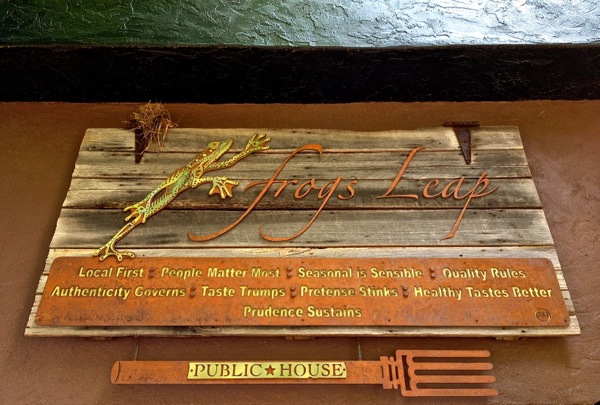
Frogs Leap Public House
_______________________
A Unique Farm to Fork Experience: Innovative Southern Food with a Local Backbone
& Home Grown Libations
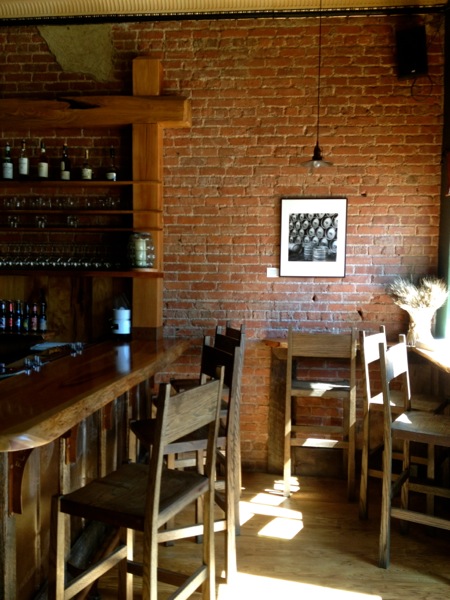
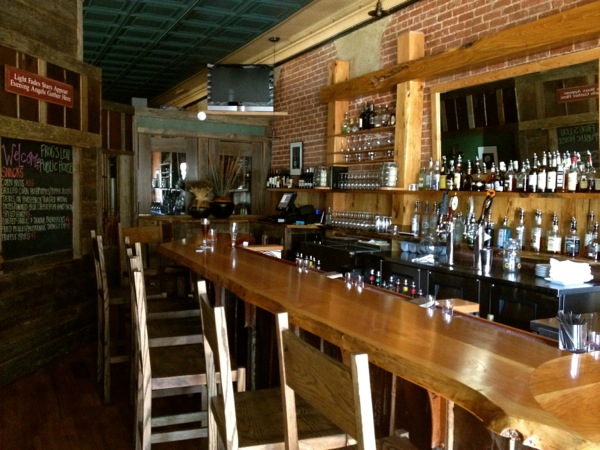
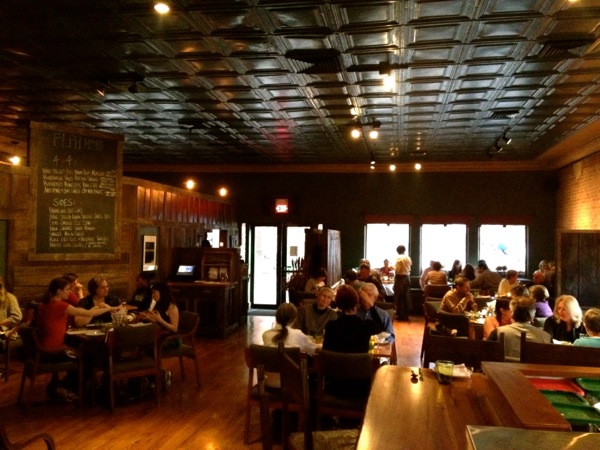
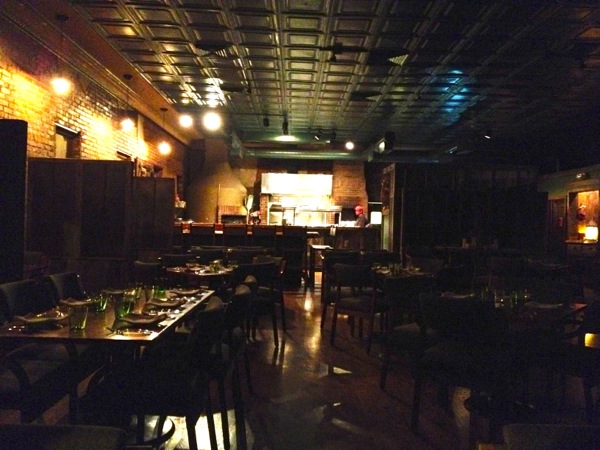
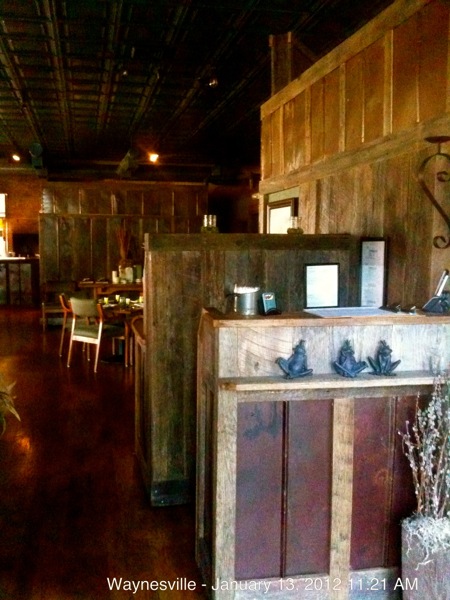
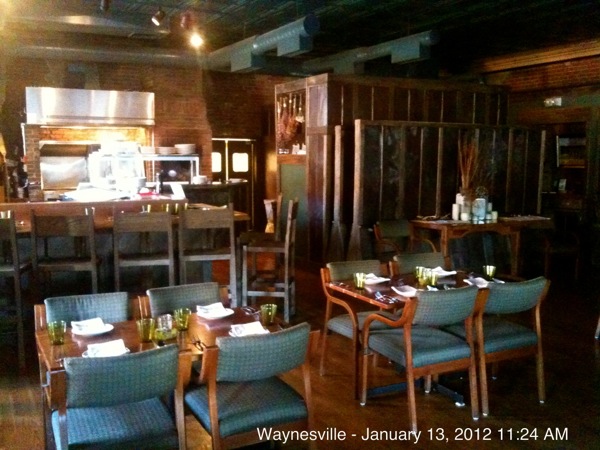
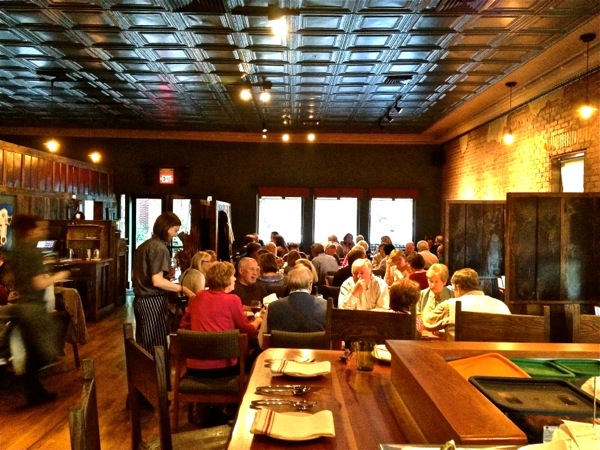
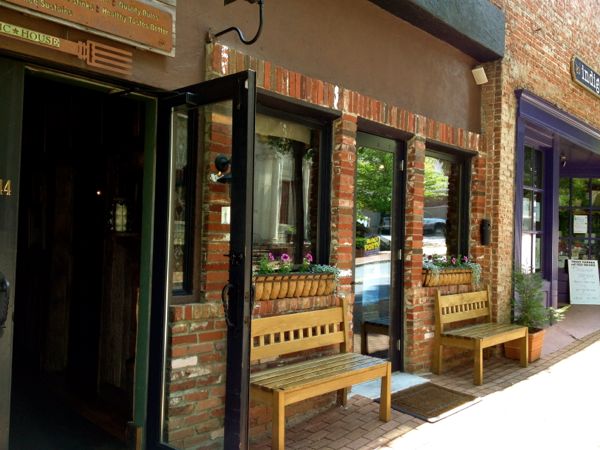
Frogs Leap Public House is a farm to table country pub at the corner of Church and Montgomery Streets, built in 1918 as the southeast’s first Buick dealer just one block south of Main in the heart of historic downtown Waynesville. FLPH is focused on the culture, art, music, wine, beer and especially the food of Western North Carolina. Owners Toni & Kaighn B. Raymond have come to Waynesville to open Frogs Leap Public House, their debut restaurant, after spending the past 20 years fine-tuning their concept while running fine dining restaurants in Georgia, Tennessee and beyond.
Like the City of Waynesville itself, FLPH is Southern down to its roots, but draws influences from around the world.  The food is fresh and local, the libations are home grown, the music is American and has a beat. FLPH is home to a family with a passion for serving world class food, wine, and spirits in a soulful, comforting atmosphere. This is a place where business diners eat alongside families and foodies on any given day. The menu may feature duck confit and black truffles along with BBQ and pimento cheese. It’s a place to go for a local craft beer after work or to celebrate a special occasion. FLPH offers a carefully selected list of fine wines by the bottle and glass, award winning craft brews both on draft and in bottle. A sipping list including single malt scotches, bourbons, rye, brandy, port and a seasonal list of home grown cocktails created with house-made syrups, infusions and garnishes.
FLPH always uses the highest quality local ingredients to create ever changing menus that represent a fresh take on Southern Food. We source our meats, cheese, poultry, seafood, produce, and specialty products from a bounty of North Carolina farmers, ranchers, and artisans whenever possible. At FLPH, seasonality, sustainability, and buying local are our core culinary and business philosophies, and are achieved through preparing the best food, using the best ingredients, supporting our local economy, and conserving our natural resources. Frogs Leap’s great locally sourced ingredients are further enhanced through natural cooking techniques, an authentic wood-burning pizza oven, a slow smoker and an Argentine wood grill impart the warm glow of the North Carolina woods to our dishes.
Frogs Leap is an environmentally responsible business. We print menus in-house on recycled paper to allow creative use of seasonal, local ingredients while maintaining a consistent menu that you will recognize through the seasons and return for. We recycle, reduce energy consumption and convert our used cooking oil into bio fuel. We are proud of the fact that we are recycling and composting nearly every ounce of product that comes through our doors.  We have no dumpster as we recycle or compost everything and hope to one day return our compost to a garden where we will grow delicious, homegrown vegetables and herbs that will complete the cycle as they make it directly to our guests through the Frogs Leap Public House menu.
Local First:People Matter Most:Seasonal is Sensible:Quality Rules:Authenticity Governs:Taste Trumps:Pretense Stinks:Healthy Tastes Better:Prudence Sustains


Saturday, September 15, 2012

Charleston

Thomas Drayton and his wife Ann arrived from Barbados to the new English colony of Charles Towne and established Magnolia Plantation along the Ashley River in 1679. Thomas and Ann were the first in a direct line of Magnolia family ownership that has lasted more than 300 years and continues to this day.
Magnolia Plantation saw immense wealth and growth through the cultivation of rice during the Colonial era. Later, British and American troops would occupy its grounds during the American Revolution, while the Drayton sons would become both statesmen and soldiers fighting against British rule.
The establishment of the early gardens at Magnolia Plantation in the late 17th century would see an explosion of beauty and expansion throughout the 18th century, but it was not until the early 19th century did the gardens at Magnolia truly begin to expand on a grand scale.
Upon his death in 1825, Thomas Drayton, the great grandson of Magnolia’s first Drayton, willed the estate successively to his daughter’s sons, Thomas and John Grimké. As he had no male heirs to leave it to, he made the condition in the will that they assume their mother’s maiden name of Drayton. Some time later, while in England preparing for the ministry, young John Grimké Drayton received word that his older brother Thomas had died on the steps of the plantation house of a gunshot wound received while riding down the oak avenue during a deer hunt. Thus, having expected to inherit little or nothing as a second son, young John found himself a wealthy plantation owner at the age of 22.
Despite the prestige and wealth inherent in ownership of Magnolia and other plantations, he resolved still to pursue his ministerial career; and in 1838 he entered the Episcopal seminary in New York. While there, he fell in love with, and married, Julia Ewing, daughter of a prominent Philadelphia attorney. Returning to Charleston with his bride, he strove to complete his clerical studies while bearing the burden of managing his large estate. The pressure took its toll, and his fatigue resulted in tuberculosis. His own cure for the illness was working outside in the gardens he loved. He also wanted to create a series of romantic gardens for his wife to make her feel more at home in the South Carolina Lowcountry. A few years later, as though by a miracle, his health returned, allowing him to enter the ministry as rector of nearby Saint Andrews Church, which had served plantation owners since 1706 and still stands just two miles down the highway towards Charleston. But until his death a half-century later, along with his ministry, Rev. Drayton continued to devote himself to the enhancement of the plantation garden, expressing his desire to a fellow minister in Philadelphia, "...to create an earthly paradise in which my dear Julia may forever forget Philadelphia and her desire to return there."
In tune with the changes he had seen taking place in English gardening away from the very formal design earlier borrowed from the French, John Grimké Drayton moved towards greater emphasis on embellishing the soft natural beauty of the site. More than anyone else he can be credited with the internationally acclaimed informal beauty of the garden today. He introduced the first azaleas to America, and he was among the first to utilize Camellia Japonica in an outdoor setting. A great deal of Magnolia’s horticultural fame today is based on the large and varied collection of varieties of these two species—not the abundant and lovely Southern Magnolia for which the plantation just happened to have been named.
The outbreak of the American Civil War would threaten the welfare of the family, the house, and the gardens themselves. But the plantation would recover from the war to see additional growth of the gardens as they became the focus of the plantation over agriculture when the gardens opened to the public for the first time in 1870 and saved the plantation from ruin. Since that time, the plantation and gardens have evolved and grown into one of the greatest public gardens in America with a rich history. To explore that history in-depth and hear the stories of those who lived and worked there over the centuries, visit Magnolia Plantation & Gardens today.
1840 and Aunt Phoebe
Magnolia Gate in the 1920s
Nature's Mirror


Friday, September 7, 2012

Vacation

areainfopic
bar
Douglas Lake Vacations in Dandridge TN
Douglas Lake
Douglas Lake is a man made lake. The Tennessee Valley Authority (TVA) formed Douglas Lake from the French Broad River, in the early 1940's. Douglas Lake is approximately 555 miles of shoreline, with twists, turns, coves and bays stretching from the confluence of the Nolichucky, French Broad and Pigeon River in Cocke County, 8 miles west to the site of the Douglas Dam in Sevier County. While creating the Douglas Dam, the TVA spent one million dollars building a dike in order to prevent the Jefferson County Seat, "The Town of Dandridge", from being completely flooded by the water of the newly formed
Douglas Lake. Today, nearly 60 years later, the Dandridge Dike has become a landmark on its own and an integral part of the town itself. The dike is located above numerous historical buildings, many dating back to the 1820's, and are today used as governmental offices, small businesses and the merchants of this quaint town.
Historical Dandridge Tennessee
plate1
Angelos Restaurant at The Point Resort for Fine Dining on Douglas Lake
Historical Dandridge
Dandridge has every right to call itself Historic - having been incorporated in 1793, thus making it the second oldest city in Tennessee, and seeing plenty of history after and even before that. Spanish explorer Hernando de Soto passed through on his way to a Coosa chiefdom (now Georgia), the Zimmerman's Island which once held a substantial Chiaha Native American tribe is now submerged by Douglas Lake, the 1863 Battle of Dandridge was held here (on Christmas Eve, no less)... the town was even named after George Washington's wife, Martha Dandridge Washington. The status of "Historic" Dandridge has certainly been earned.
It follows then that Dandridge is mighty proud of its place on the National Register and shows it by holding many special events such as the Scots-Irish Festival and the June Jubilee, a historic walking tour, downtown shopping that keeps quaint shops and restaurants and all kinds of things to go out and see. That's the way we like it over here, and we're sure you will too!.
Angelos' At The Point Restaurant:  7,500 sq. ft. facilities overlook Douglas Lake and were designed to create the perfect setting for special occasions. We thoughtfully provide business and holiday parties, wedding services and receptions, romantic ambience and unsurpassed cuisine and catering. Angelos' offers nightly entertainment and specials throughout the week with music and festivities for all to enjoy. Our Dessert Menu perfectly completes our lunch or dinner experience. Bring the entire family.
The Point has its own fully-stocked Marina to enjoy as well with boats, jet skis, shower bathrooms, clean water, fuel service and waste disposals, courtesy docking, a large picnic area and a big, beautiful lake to enjoy and a 7,500 sq. ft. restaurant at the top of the hill within walking distance.
A big lake offers a lot to a visitor, and that's why over 2,000,000 of them visit a year.
Dandridge Restaurants
Dandridge offers some excellent restaurants up and down the area. You can find a worthy dish in any culinary establishment, for any range of foods offered, and if you take a look around you from your seat, you should be able to spot several people who eat there regularl
Our place is the very popular and classy Angelos at the Point. A large, 7,500 sq. ft. restaurant with a polished look that's appropriate for a higher class of dining (Wedding, Business, Reunion), but also great to walk in, as you are, for a casual meal and a beer and enjoy it out over the expansive porch overlooking the Lake (also a Tiki bar). You can expect those worthy dishes we were talking about earlier to consist of Steaks, Seafood, Chicken, Pasta and an extensive wine list. And if you're going to be there a while, you can take a little walk on the dock alongside the lake. Angelo's offers something for everyone, so take a look at www.myangelosrestaurant.com to see what it can offer you.
The Great Smoky Mountains and Sevier County
Douglas Dam is not only your gateway to Dandridge and Jefferson County, it's also your road to Sevier County, home of The Great Smoky Mountains, Dollywood, Dolly's Splash Country, Ober Gatlinburg and dozens of attractions.
A trip out to Pigeon Forge from Dandridge is about 30-40 minutes and a Gatlinburg trip is an additional 15 minutes; so if you're planning a trip out, it makes sense to make it a day trip and see as much as you can see out and about. Dollywood is a day trip in and of itself. There isn't an hour of operating time where a show or performance isn't going on, rides from gentle to genuinely thrilling, plenty of restaurants offering everything from home-cooked southern food to pizza and pasta and burgers and fries (plus veggies). It's built for people of all ages to enjoy. www.dollywood.com
Wonderworks is another great place to spend more than a few hours, even if you didn't bring any children! It's a huge museum setting, in the inverted white house on the parkway, where you get to do things that you thought were physically impossible (riding a bicycle upside down and psychic competition for example?) and watch the Forces of Nature bend and twist for your amusement. Easily worth an admission ticket. You can see more at www.wonderworkstn.com
Gatlinburg, which is another 15 minutes away, is at least a weekend (up to a week) of things to do as well. Consider that Gatlinburg is the gateway to the whole Great Smoky Mountains National Park, which means dozens of hiking trails and nature exhibits such as the Sugarlands Visitor Center on the way to Cherokee. Also consider www.gatlinburg-attractions.com which has listed all the many things there are to see and do in the great city.
Sevier County from Dandridge isn't just a great trip to do several times in a row, so enjoy a whole day out if you get the chance. You won't leave disappointed! (Heck, you might not leave at all! A lot of people who visit here end up living here at some point.) Enjoy your day out in the Smokies!